
Lumber drying
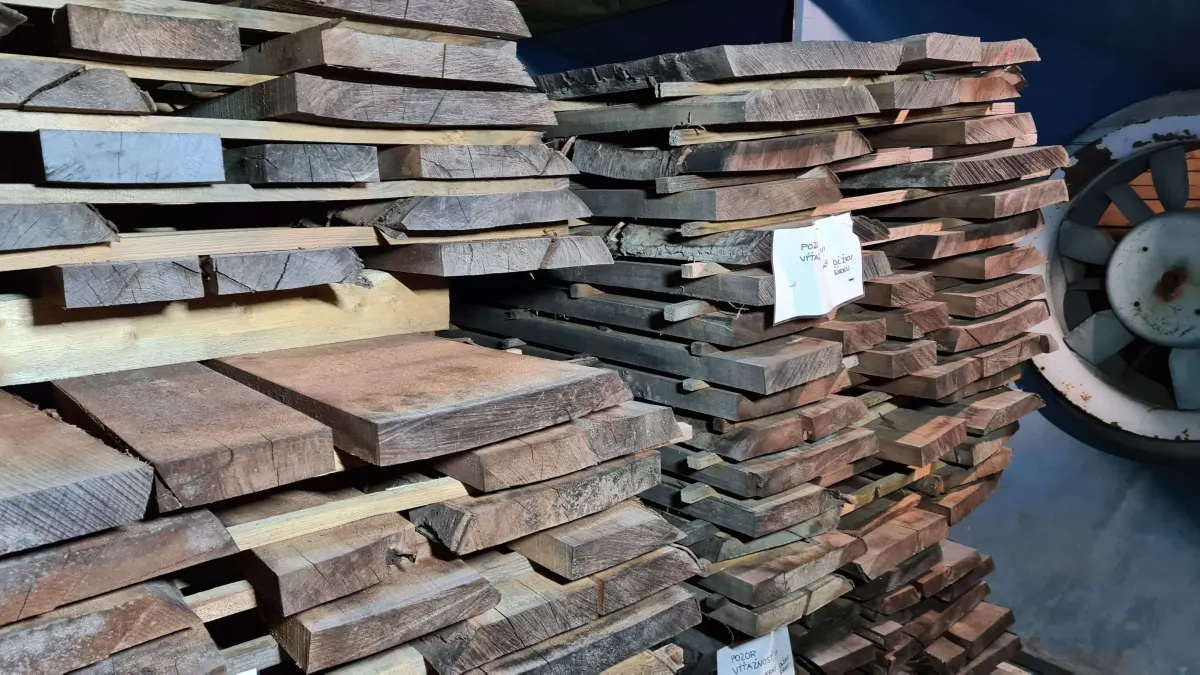
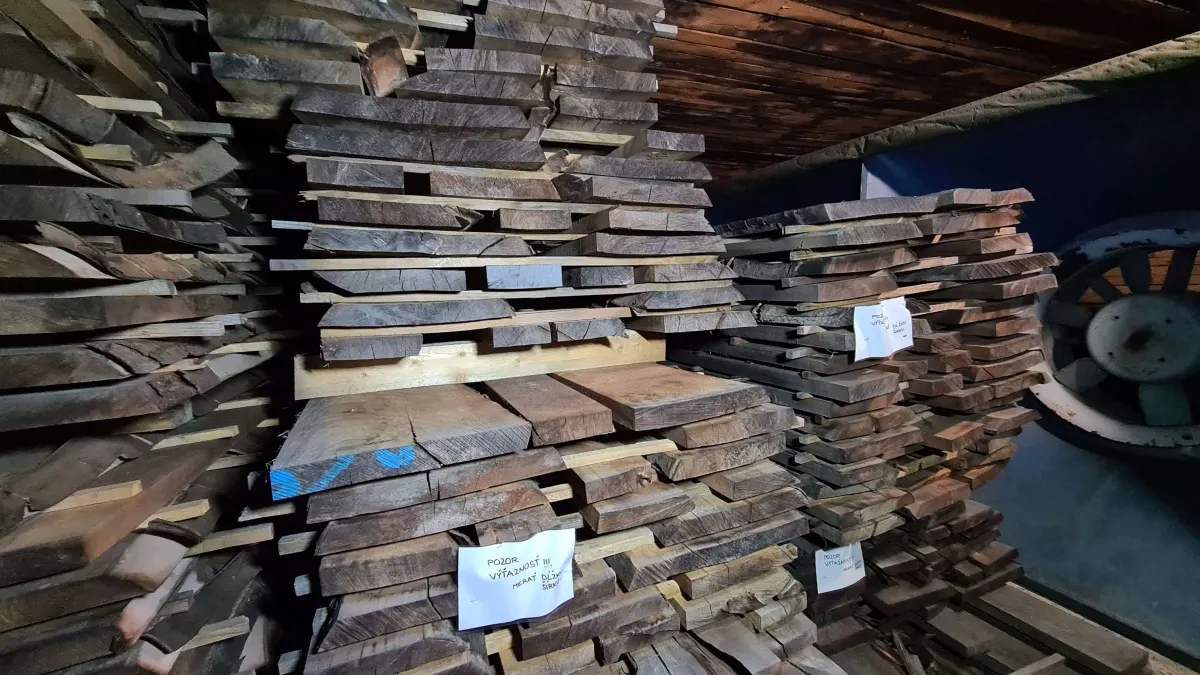
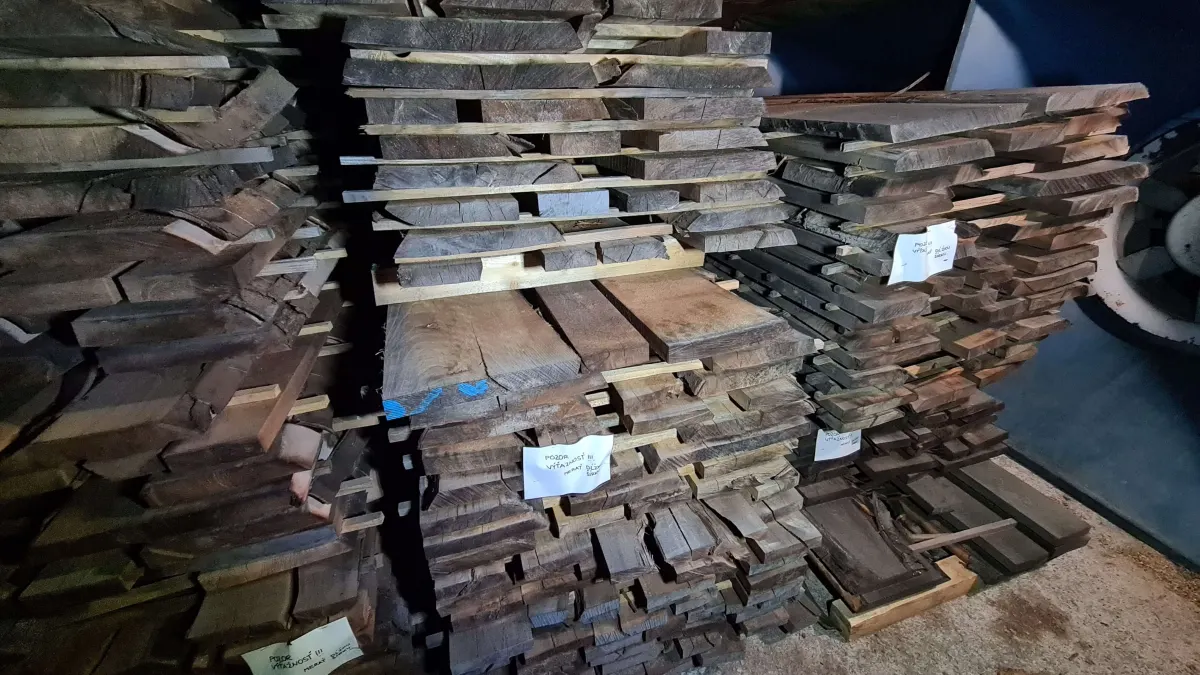
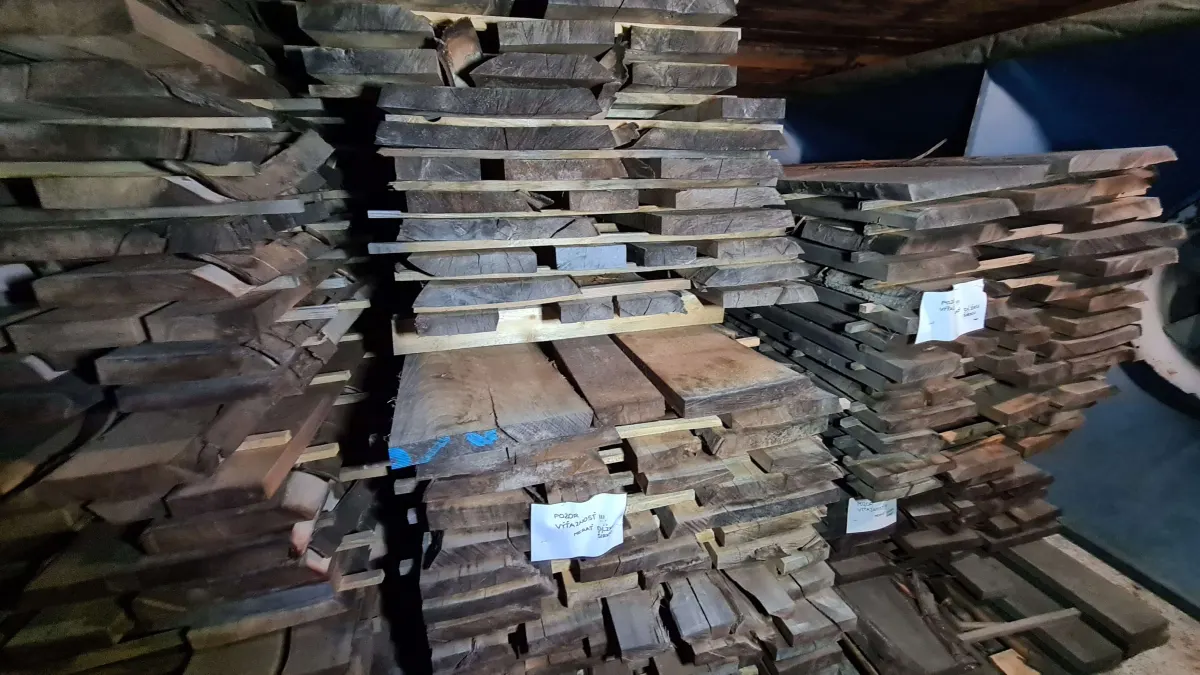
Drying is a key step in wood processing that ensures the stability and quality of the wood. Lumber drying is the process of removing excess moisture from wood to reach the required moisture content. Correct, controlled drying is critical for achieving optimal wood quality in a wide range of applications, from construction to furniture making.
Drying process
Purpose of drying
The aim of lumber drying is to reach the optimal moisture content for the specific wood species and its intended use. Drying ensures the stability of the wood and minimises the risk of deformation and cracks.
Natural vs. kiln drying
- Natural drying: Wood can dry naturally in the air, but this method can take a long time and depends on external conditions such as temperature and humidity.
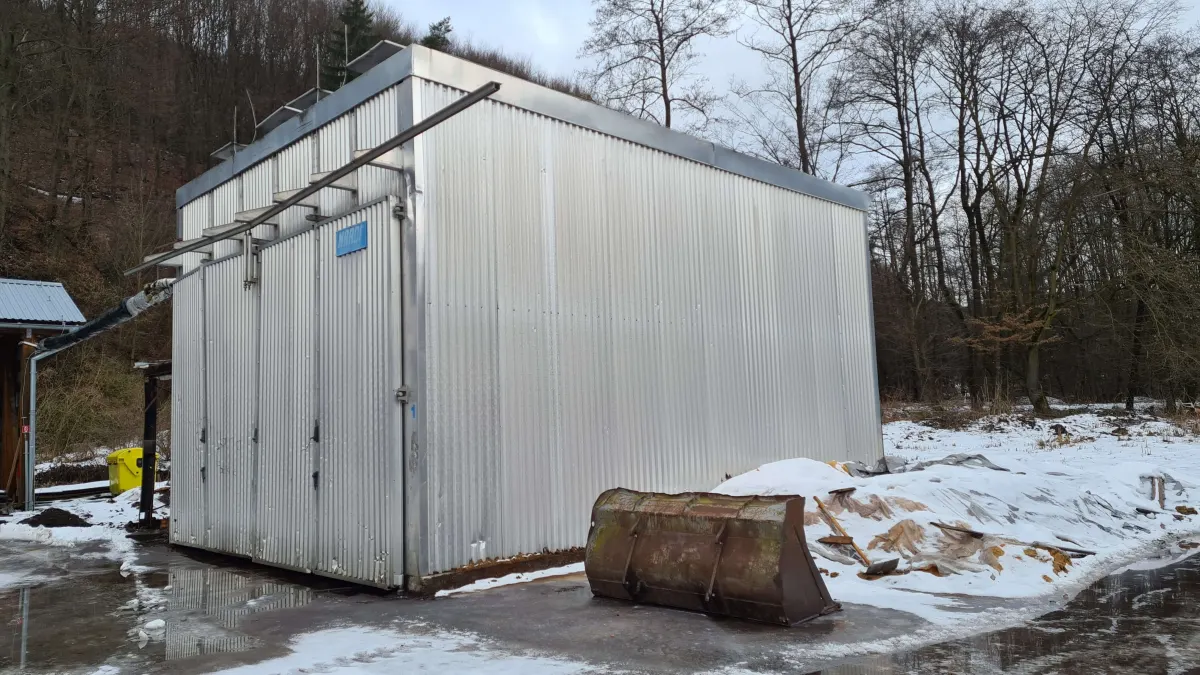
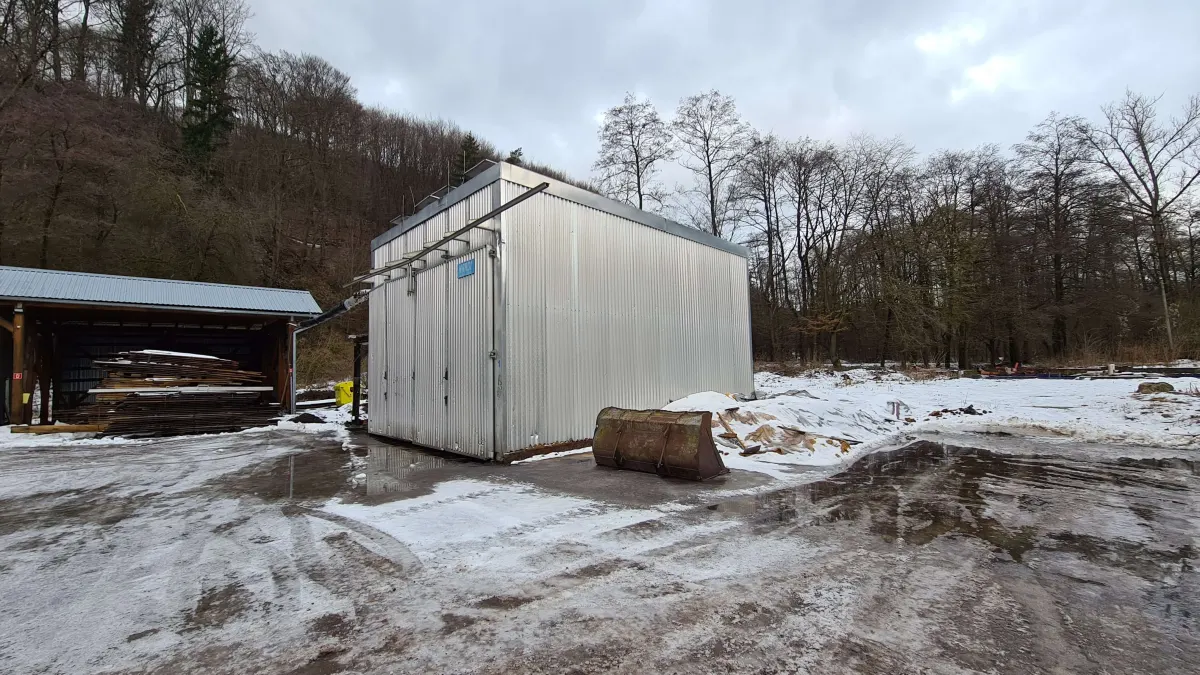
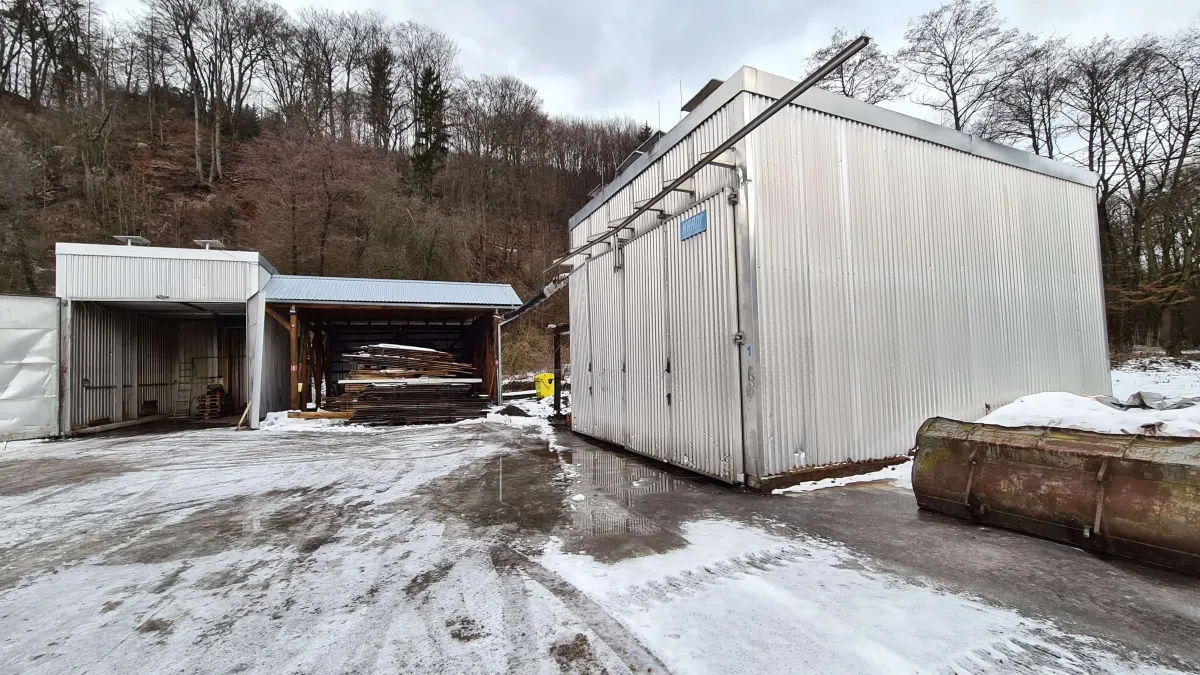
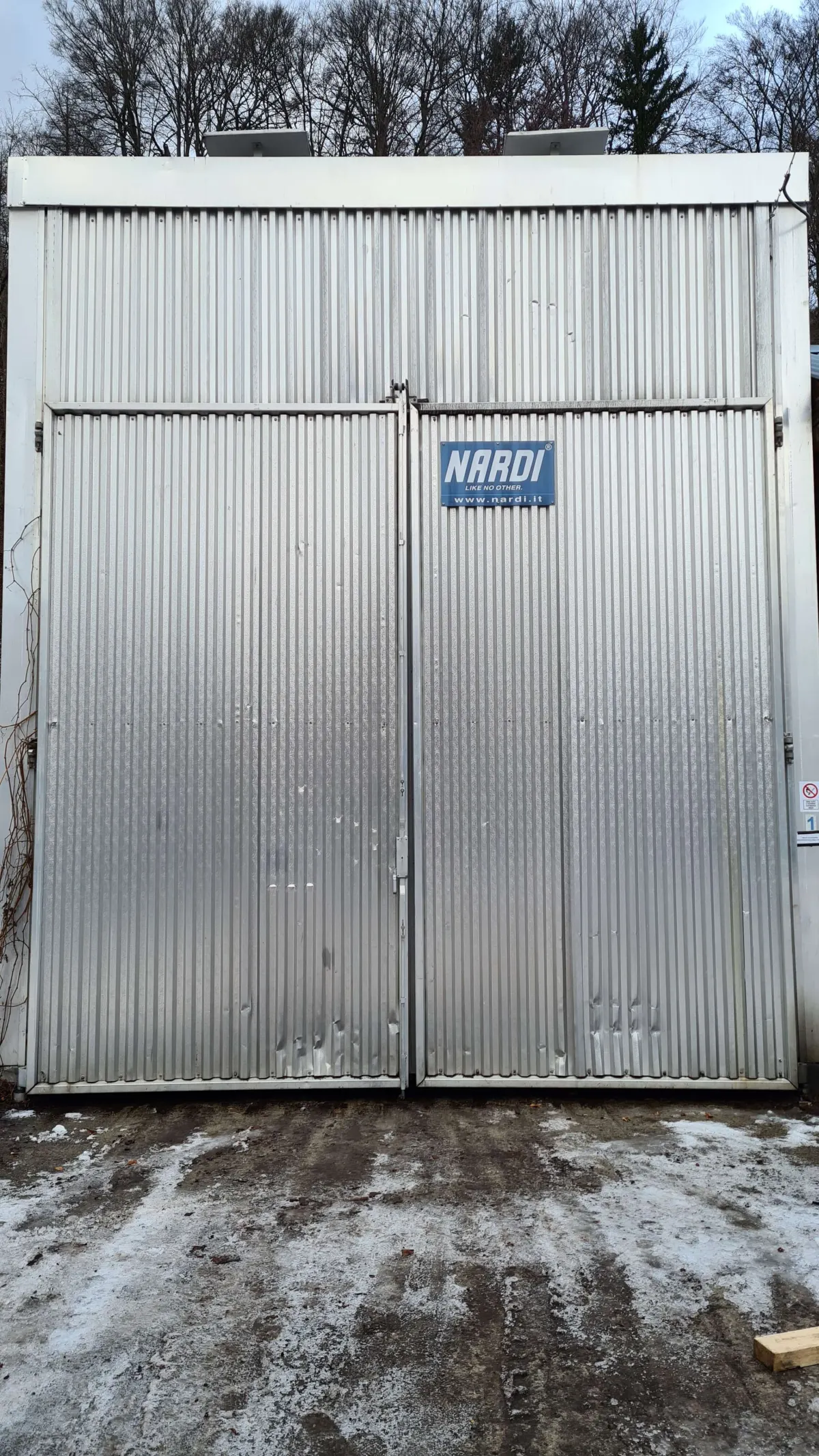
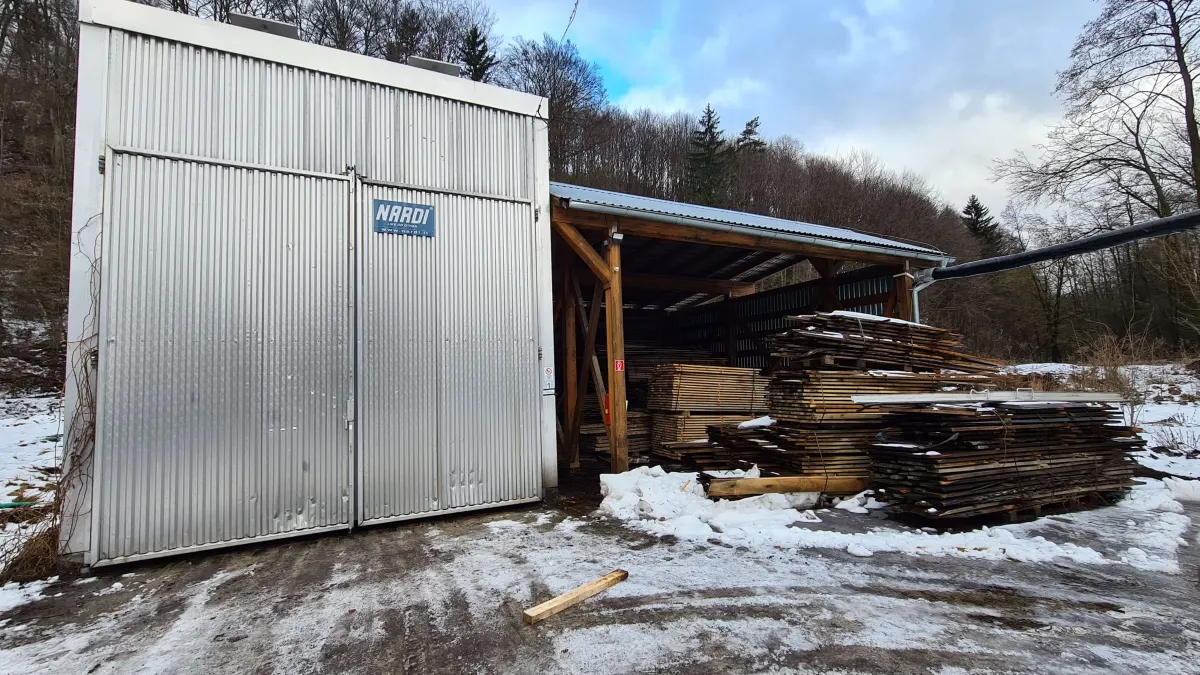
- Kiln drying: Commercial drying kilns are used for artificial drying. They allow precise control of temperature and humidity, resulting in faster and more accurate drying.
Types of drying kilns
- Condensation kilns: Use cooling units to remove moisture from the wood.
- Hot-air kilns: Use a flow of warm air to evaporate moisture from the wood.
- Vacuum kilns: Lower the atmospheric pressure, which lowers the boiling point of water and allows the wood to be dried at lower temperatures.
Drying stages
- Pre-drying: Reducing the bulk of the moisture on the surface of the wood.
- Primary drying: Removing most of the moisture inside the wood.
- Final drying: Completing the drying and reaching the final moisture content.
Process control
Drying wood requires regular monitoring and measurement of moisture content, temperature and other parameters. This ensures that the wood achieves the required properties.