
Hardwood blanks
How we produce blanks
Selecting quality wood
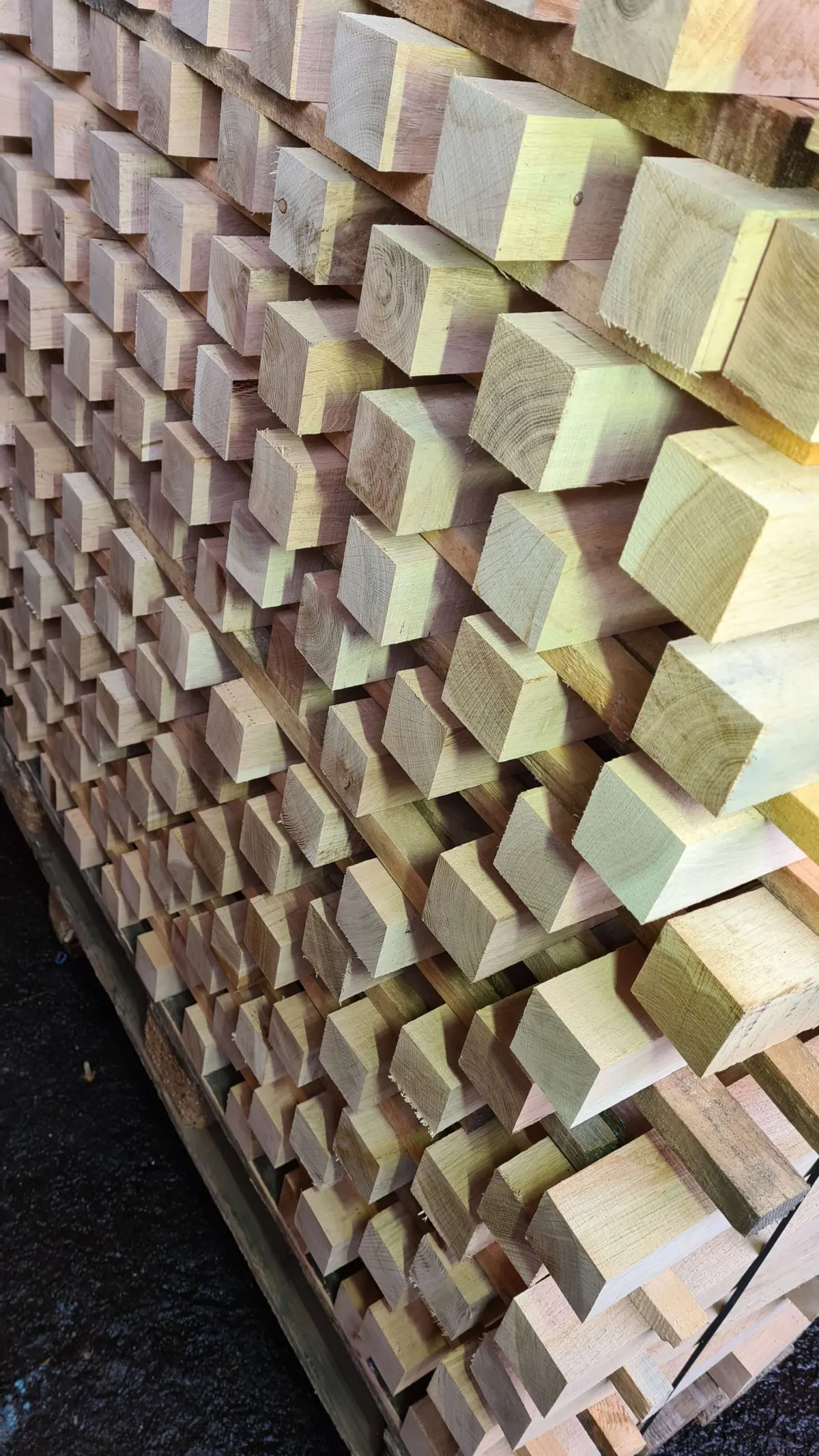
The process begins with selecting quality logs of the required hardwood species – beech, oak and ash. The quality of the wood is essential for the properties of the final product.
Sawing into blanks
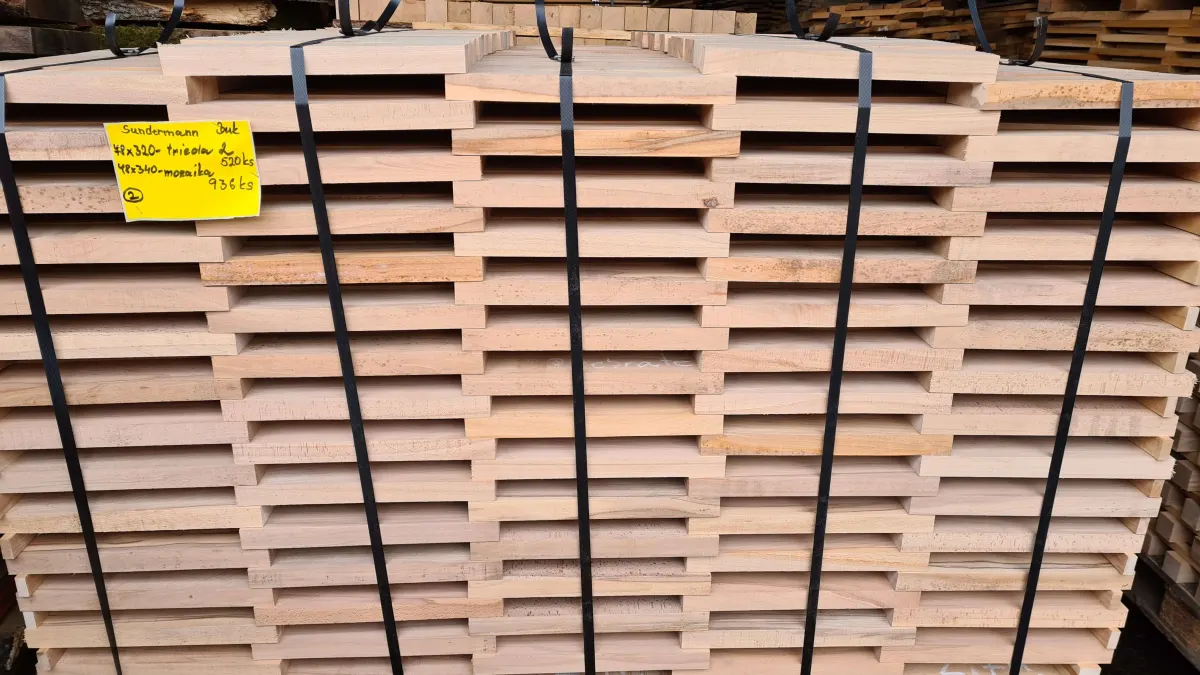
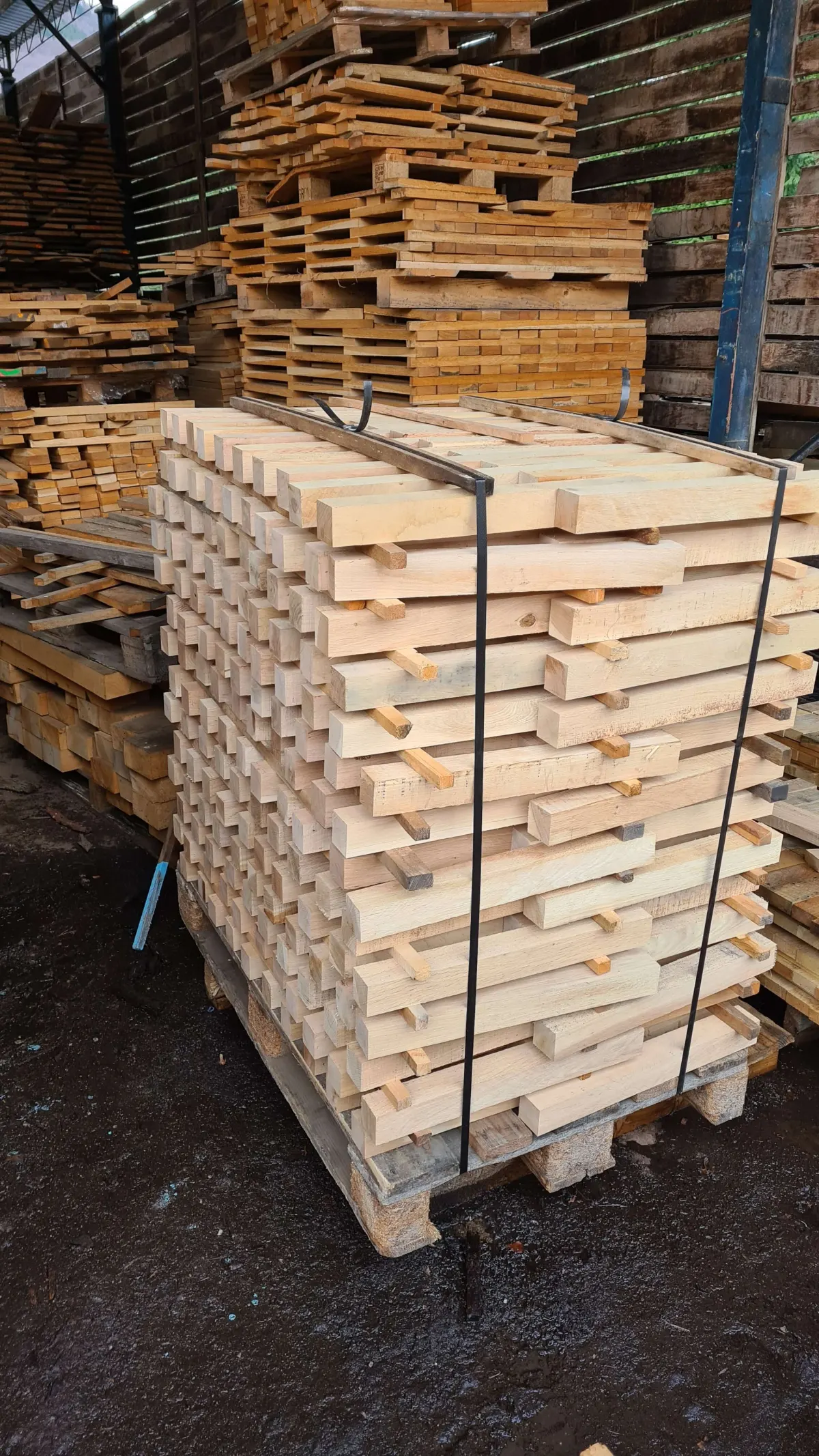
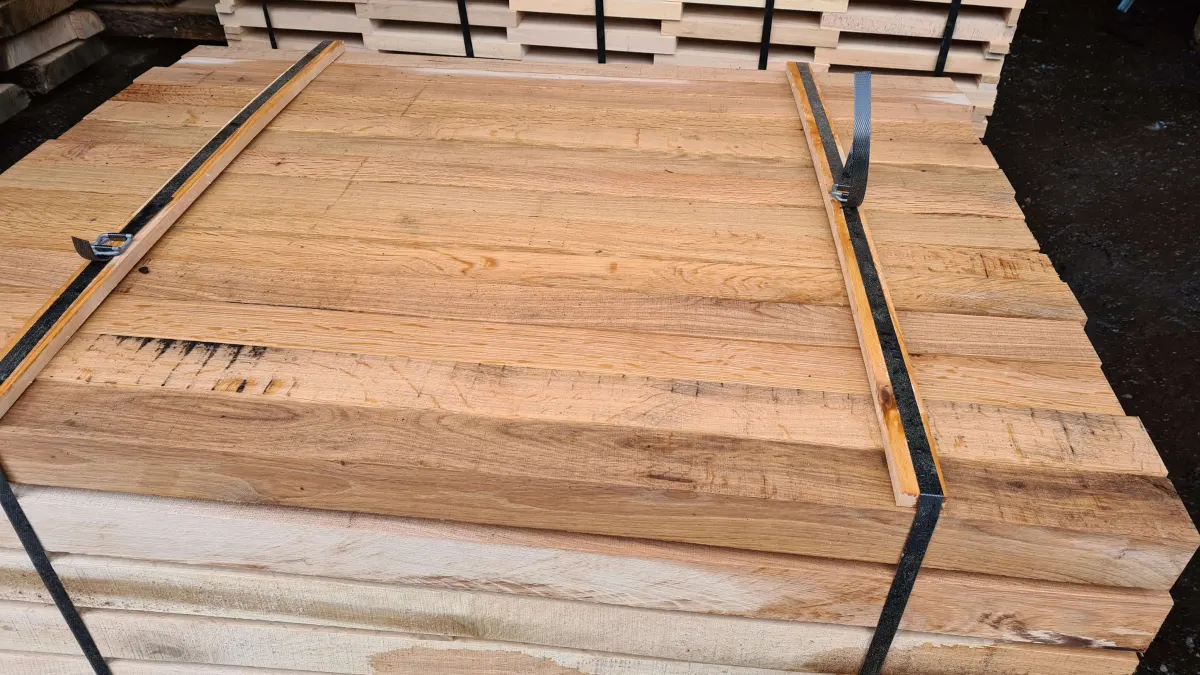
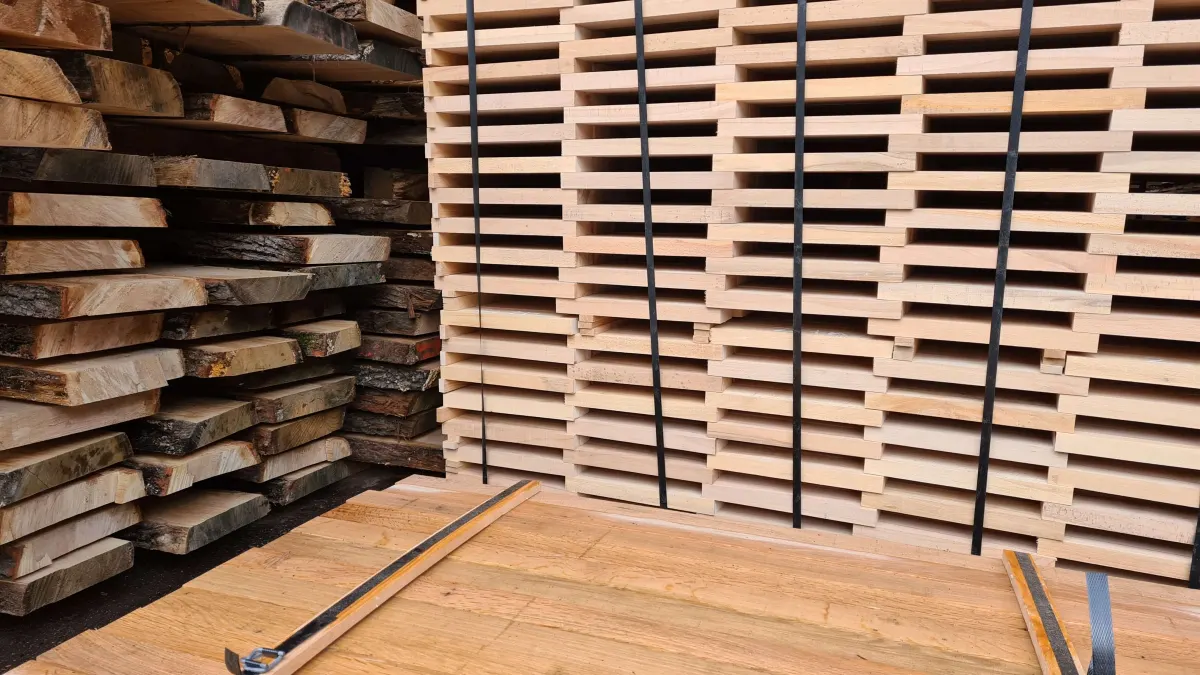
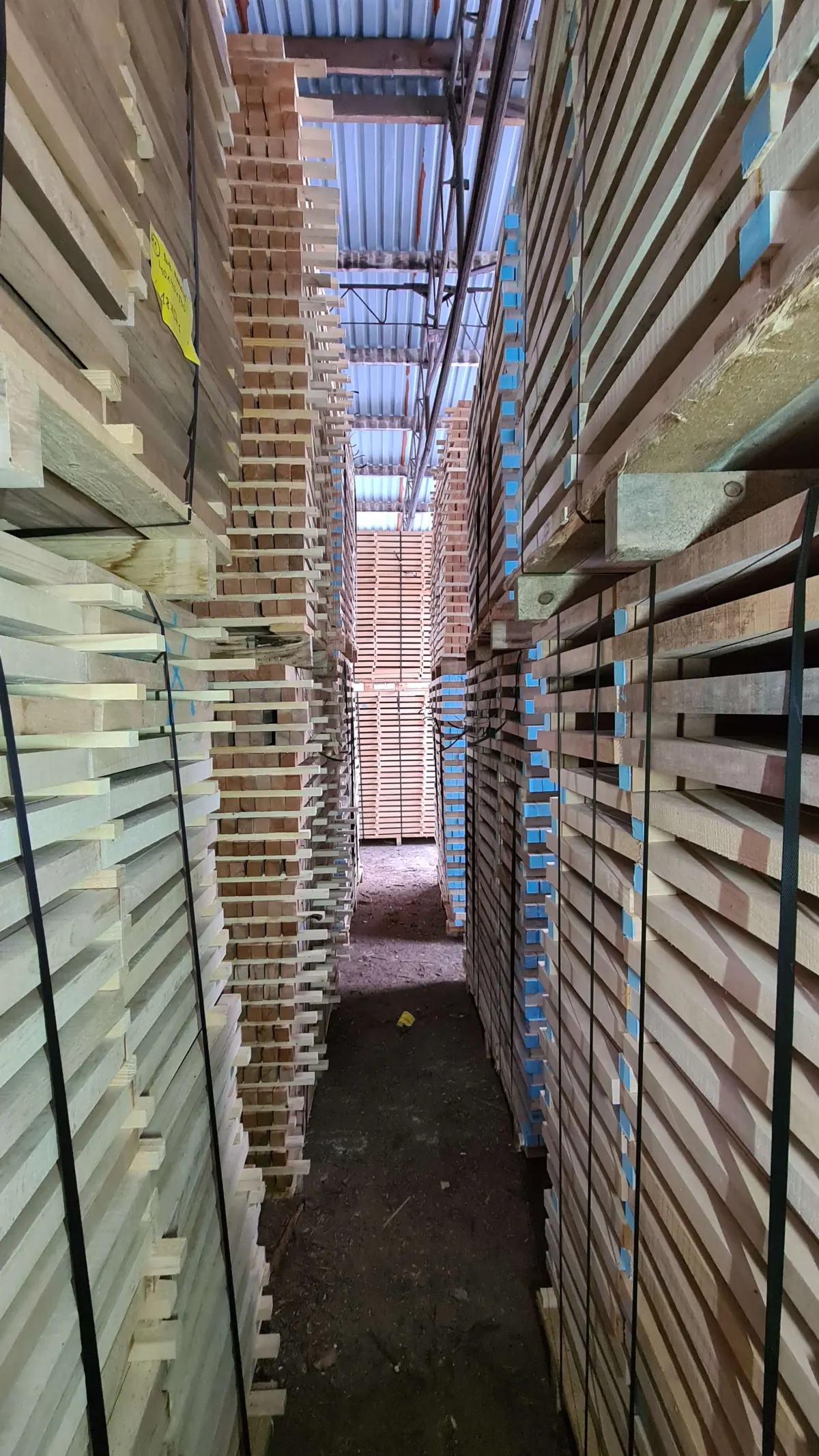
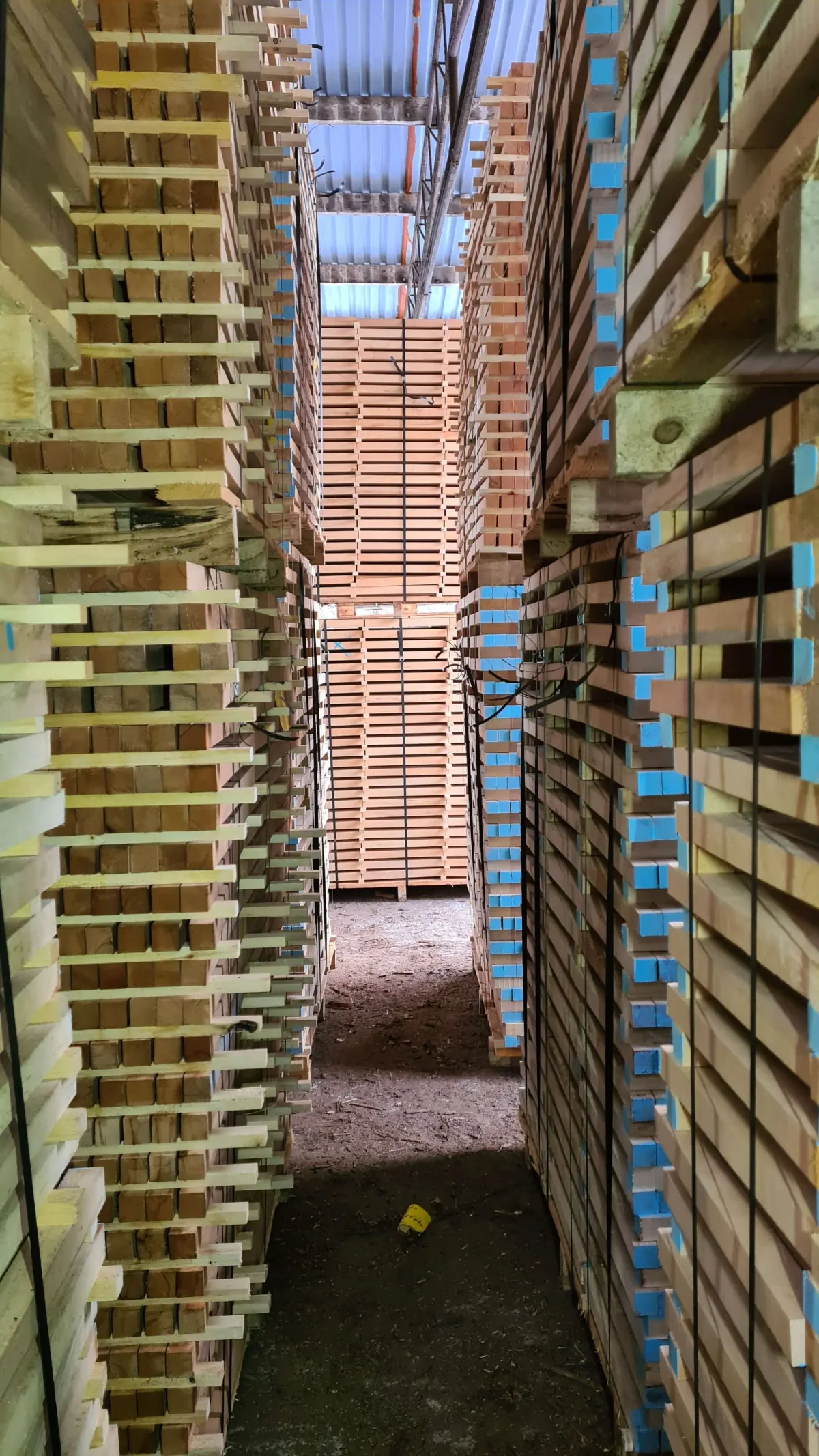
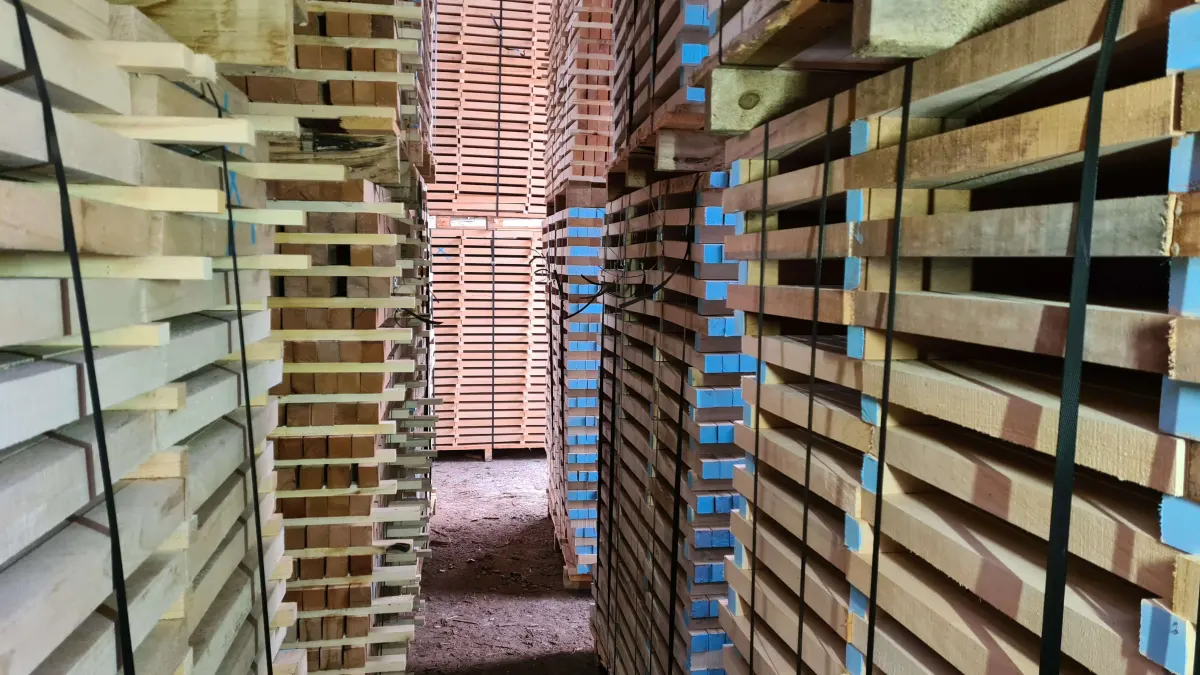
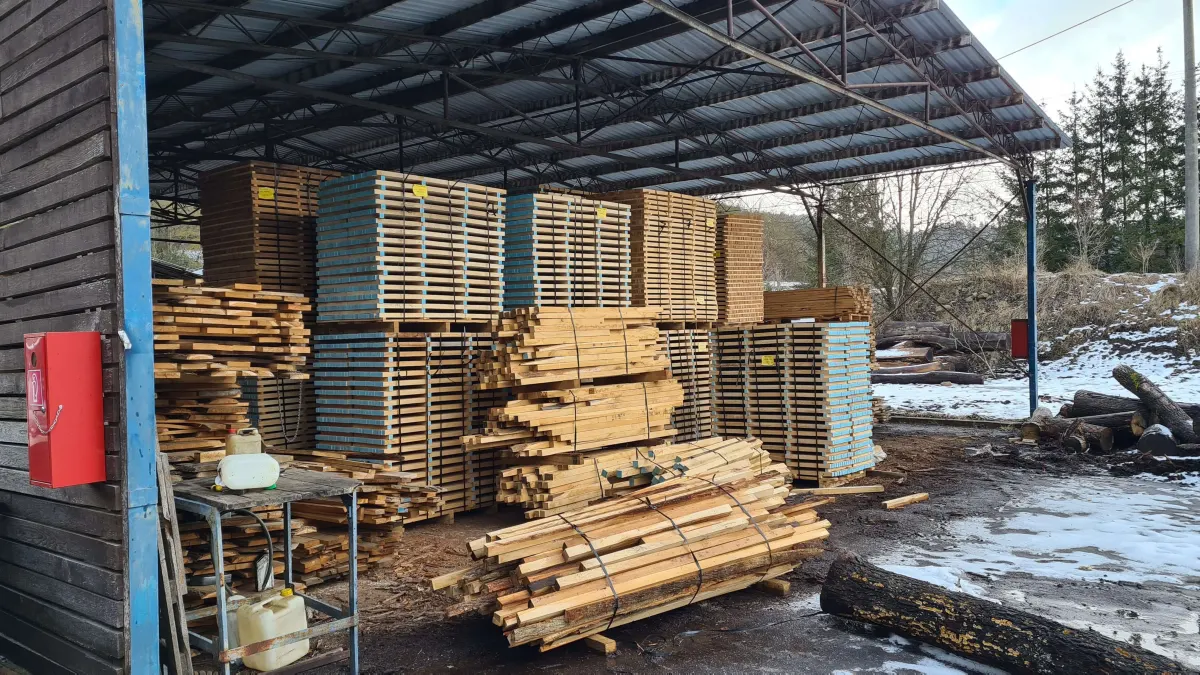
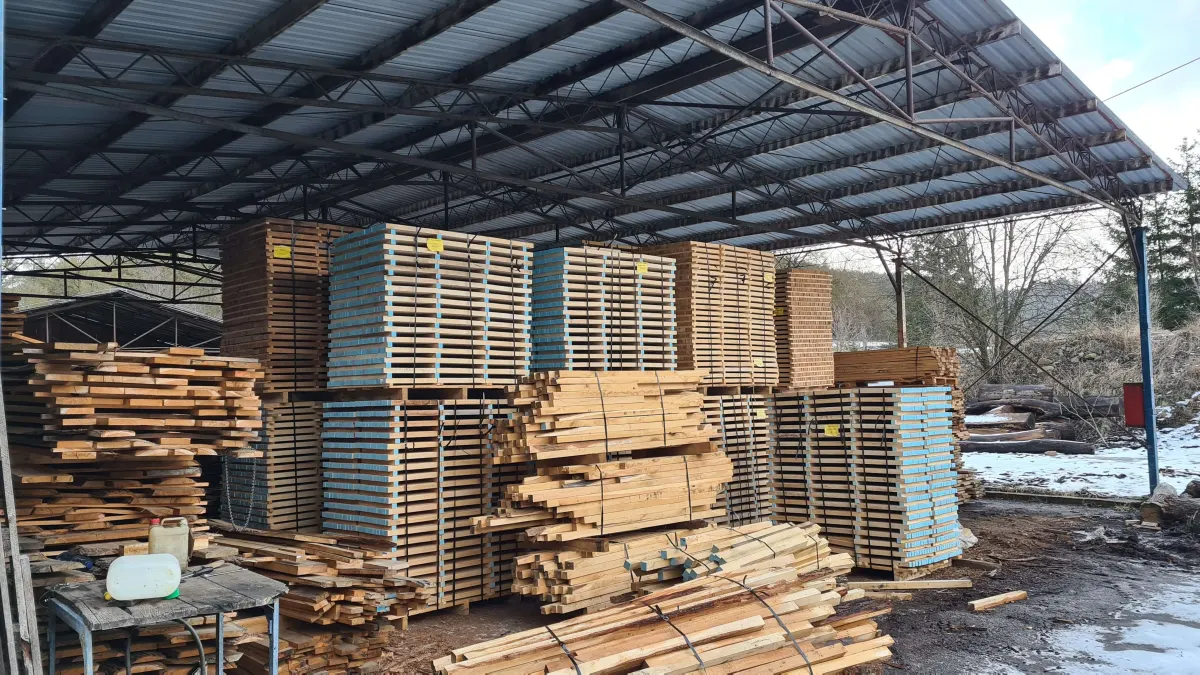
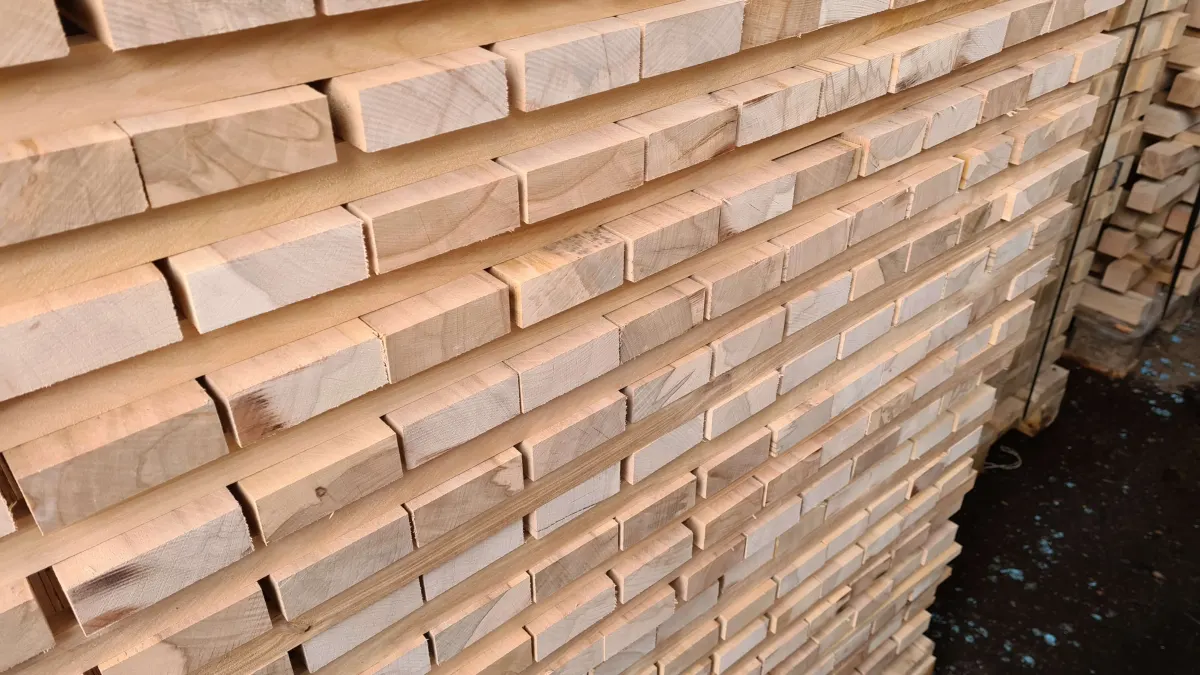
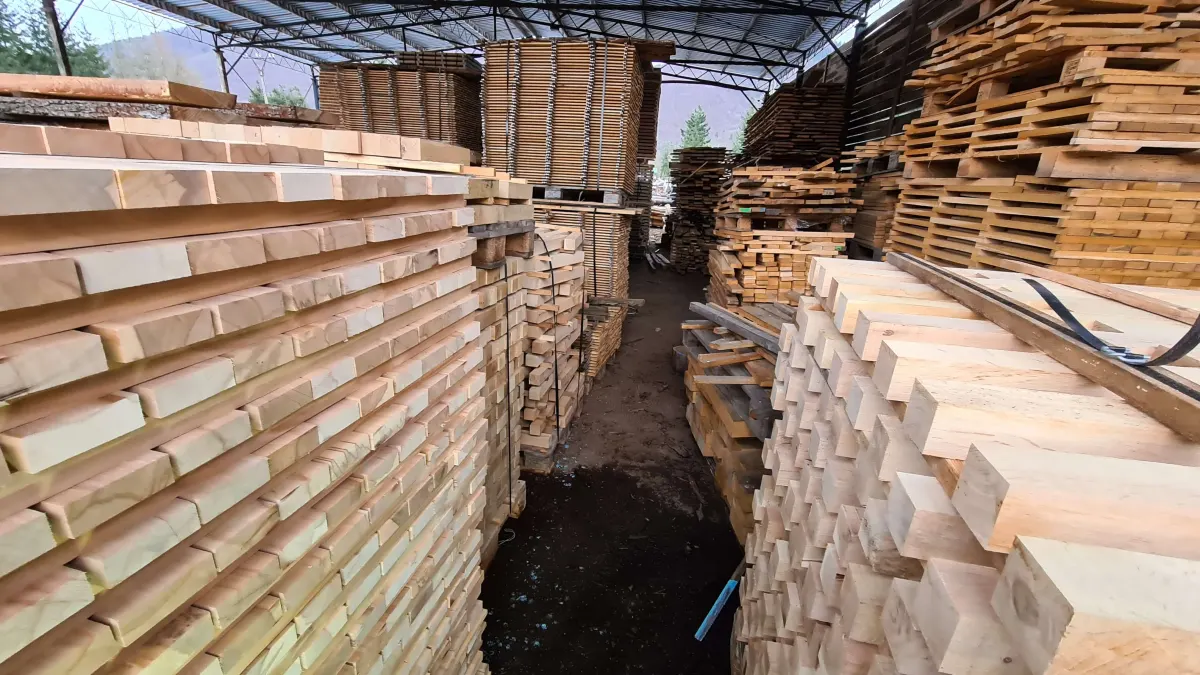
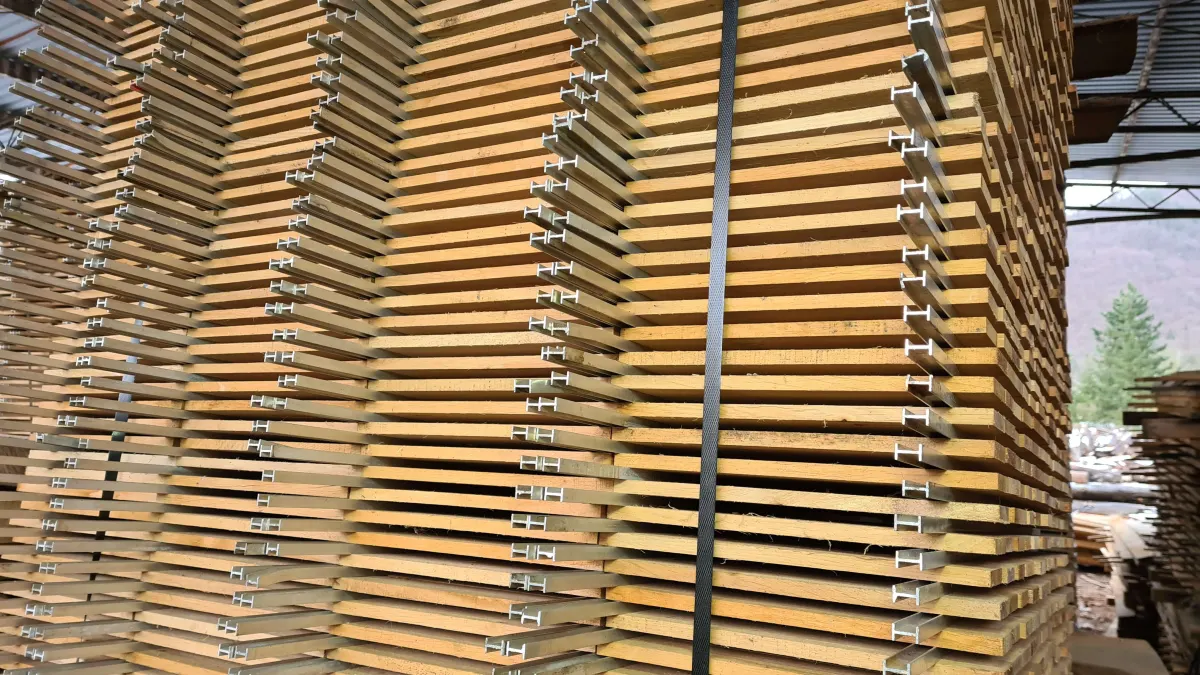
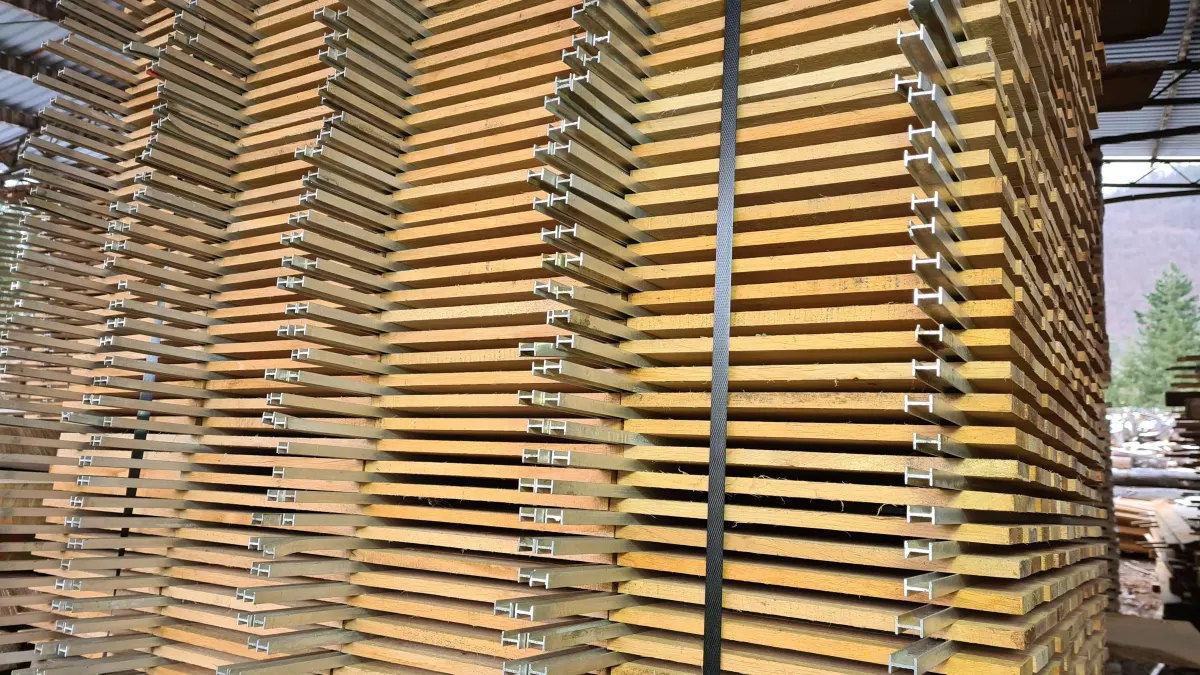
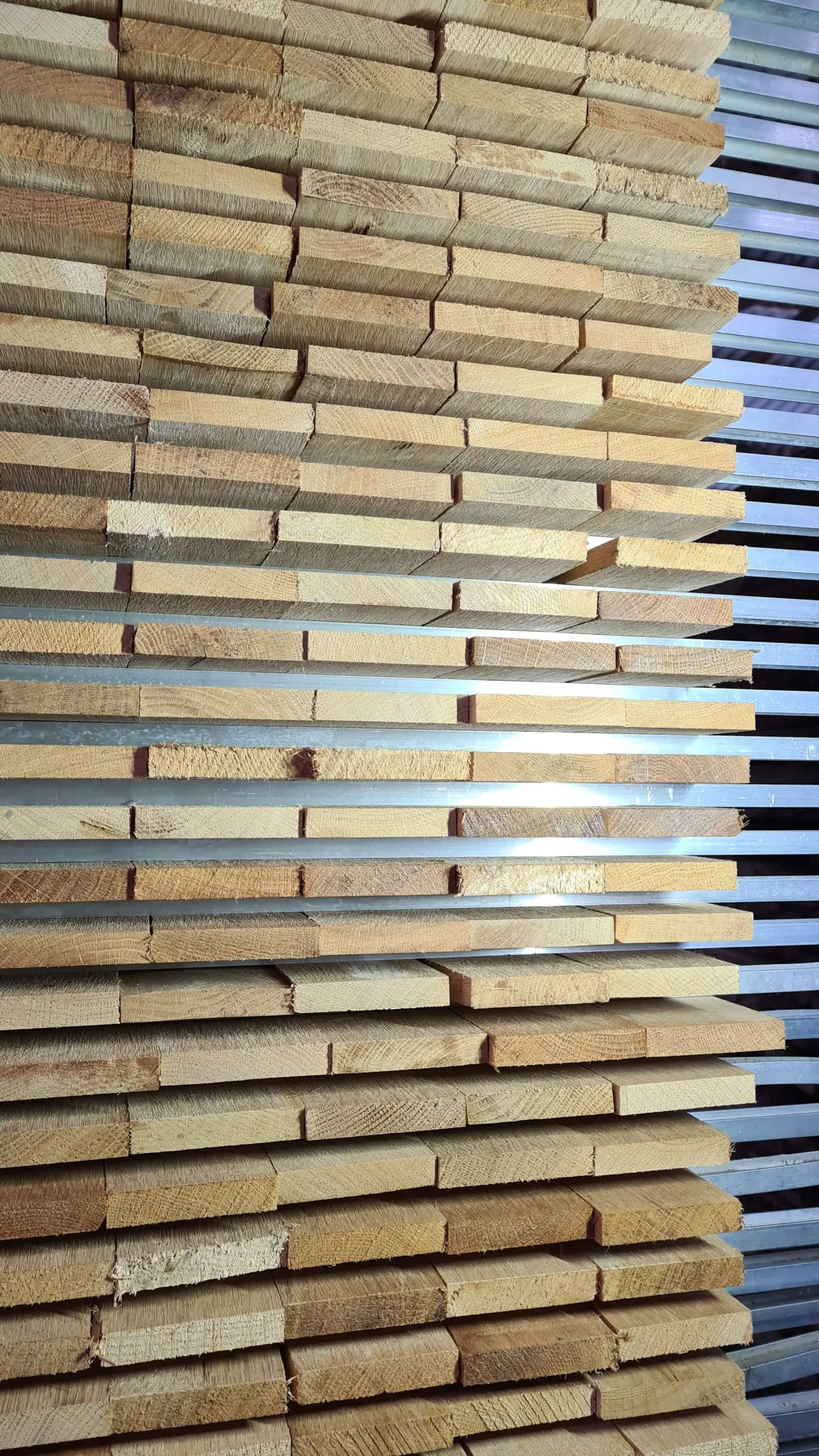
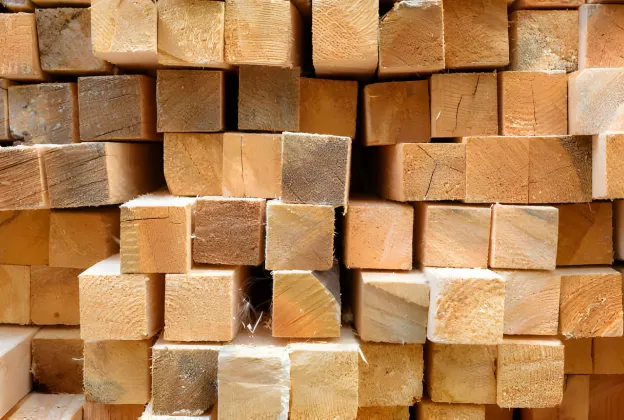
The selected logs are sawn into planks on the band sawmill and stacked in packages with spacer sticks to allow air flow and moisture removal. This produces square-edged or unedged lumber, which is then dried to the required moisture content.
Drying
The lumber packages are placed in the drying kiln, where moisture is removed in a controlled process according to requirements. Controlled drying is essential for further processing, for stability and for preventing deformation.
Machining and shaping
The dried blanks are then machined as required. This may include milling, sanding and other operations that shape the wood to specific requirements.
Quality control
Every finished piece undergoes a quality inspection to detect possible defects and ensure the required quality. This step is important for maintaining a high standard of our products.
Use in various industries
Finished beech, oak and ash blanks can be used in a range of industries – from industrial and joinery production of furniture and building components to craft projects.